
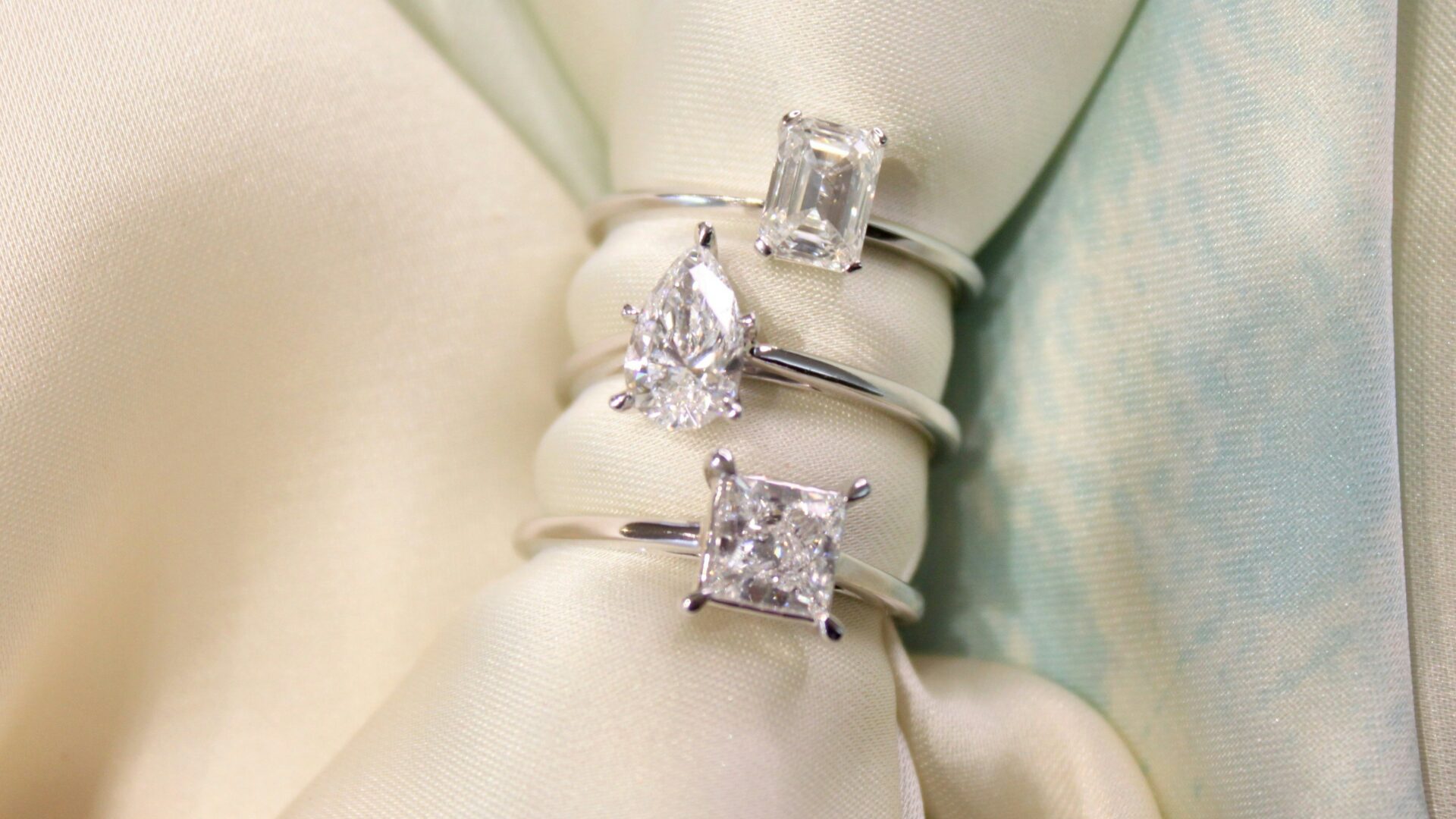
Choosing an engagement ring is one of the most significant emotional and financial decisions you will ever make. While the sentiment is priceless, the ring itself comes with a price tag that requires careful thought. The best budget is the one that balances your partner’s dreams with your financial reality.
Let’s understand generally how much you should spend on an engagement ring.
The Classic Rule
You’ve likely heard of the “Three-Month Salary Rule.” This benchmark suggests that if you earn $60,000 a year, you should spend $15,000 on a ring.
The Truth: This “rule” was created by diamond marketers in the mid-20th century, not financial planners. In 2026, most Canadians find this standard outdated. Modern couples are moving away from arbitrary percentages and toward budgets that don’t compromise their ability to buy a home or travel.
Average Engagement Ring Costs in Canada (2026)
While every ring is different, knowing the averages can help you gauge the market.
- National Average: In 2026, the average Canadian spends on an engagement ring typically falls between $5,000 and $10,000 CAD.
- The Entry-Level Sweet Spot: Many stunning rings featuring high-quality lab-grown diamonds or alternative gemstones start between $2,500 and $5,000.
- The Luxury Tier: For those seeking larger (2.0ct+) natural diamonds or intricate custom platinum work, budgets often begin at $10,000 and above.
Factors That Affect Engagement Ring Cost
To budget effectively, you need to understand the major cost drivers. Here is what actually influences the final price:
- Diamond Size (Carat Weight): Bigger stones cost more because they are rarer. However, weight isn’t everything; a poorly cut large diamond will lack the “fire” of a slightly smaller, well-cut stone.
- Cut, Clarity & Colour:
- Cut: The most important “C.” An Excellent cut maximizes sparkle and can even make a diamond look larger.
- Colour: Diamonds graded D-F (colourless) command a premium, while G-H (near-colourless) offer great value.
- Clarity: This measures internal flaws. Choosing an “eye-clean” stone allows you to save money without sacrificing visual beauty.
- Ring Setting & Metal:
- Metal: Platinum is the most durable and expensive. 14K or 18K gold are excellent, more affordable alternatives.
- Style: A simple Solitaire is the most budget-friendly. Adding a Halo or a Three-Stone setting increases the price due to the extra labour and smaller accent diamonds involved.
- Designer & Customization: Brand names often come with a markup. However, Samuel Kleinberg offers expert custom design services that allow you to create something unique. While customized details can increase cost, they add immense personal value and ensure the ring is built exactly to your specifications.
What Not to Sacrifice
While saving money is smart, cutting corners on quality can lead to heartbreak later. Do not sacrifice:
- The Safety of the Setting: Ensure the prongs are sturdy. A cheap setting can lead to a lost diamond.
- Reputable Certification: Always insist on a GIA or AGS certification. This is your “identity theft protection” for your diamond’s quality.
- Daily Wearability: A ring shouldn’t just look good; it must be comfortable and durable enough for 24/7 wear.
- The “Too Good to Be True” Deal: If a price is significantly lower than the market average, the stone likely has hidden structural flaws or a “cloudy” appearance. Samuel Kleinberg stands behind every stone we sell, ensuring your investment is protected by genuine quality.
Real-World Strategies for Budgeting
- Set a Hard Target: Determine your limit before you look at a single diamond and stick to it.
- Compare Styles Early: Do you want a large stone or a high-quality small stone? Knowing this preference changes your budget instantly.
- Explore Lab-Grown: If size is your priority, lab-grown diamonds offer a much larger “look” for a fraction of the cost.
- Utilize Expert Guides: Use the resources at Samuel Kleinberg to see how different “C” grades (Cut, Colour, Clarity, Carat) impact the price of the ring in real-time.
Is Spending More Always Better?
In short: No. A higher price tag does not equal more love or a more successful marriage. A $3,000 ring chosen with deep thought for your partner’s specific style often carries more weight than a $20,000 ring chosen at random. The value lies in the personal significance and the shared future the ring represents.
Note: Our experts at Samuel Kleinberg are always available to walk you through these trade-offs to find the perfect balance.
Engagement ring budgets are deeply personal, guided by your values, your partner’s style, and your long-term goals. Whether you are looking for a modest, meaningful token or a grand custom masterpiece, the goal is the same: a symbol of your commitment.
We invite you to explore the beautiful options at Samuel Kleinberg that match both your budget and your love story. Ultimately, a ring’s true worth is found in the love it represents, not the dollars spent.
FAQs
- Is there a “right” percentage of income to spend? No. The only “right” amount is what you can pay for without long-term high-interest debt.
- Should wedding ring costs be considered now? Ideally, yes. Some engagement rings require “curved” wedding bands that can be more expensive than a standard gold hoop.
- Are lab-grown diamonds cheaper? Yes, significantly. You can often save 50% or more compared to a natural diamond of the same grade.
- How to pick quality over size? Focus on the Cut. A well-cut diamond reflects more light and often looks larger than a poorly cut stone with a higher carat weight.