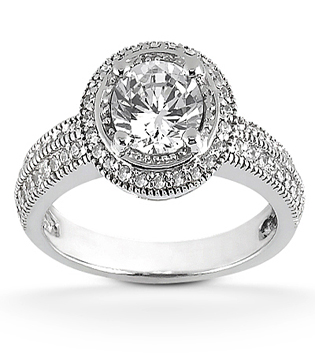
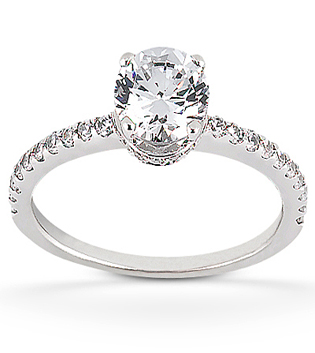
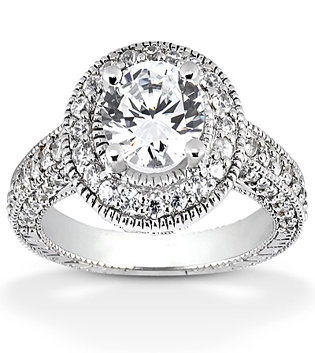
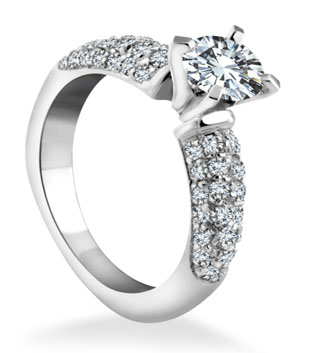
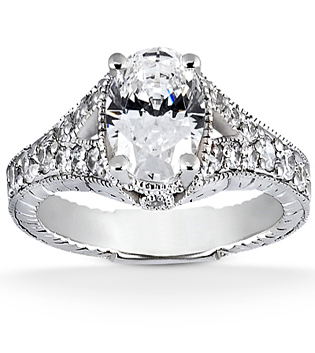
Imagine a ring band that is covered in several tiny stones or diamonds that are put very closely together and sparkle. It’s a pavé engagement ring. If you want a ring that exudes brilliance from every angle, a pavé ring is an exceptional choice.
Book an Appointment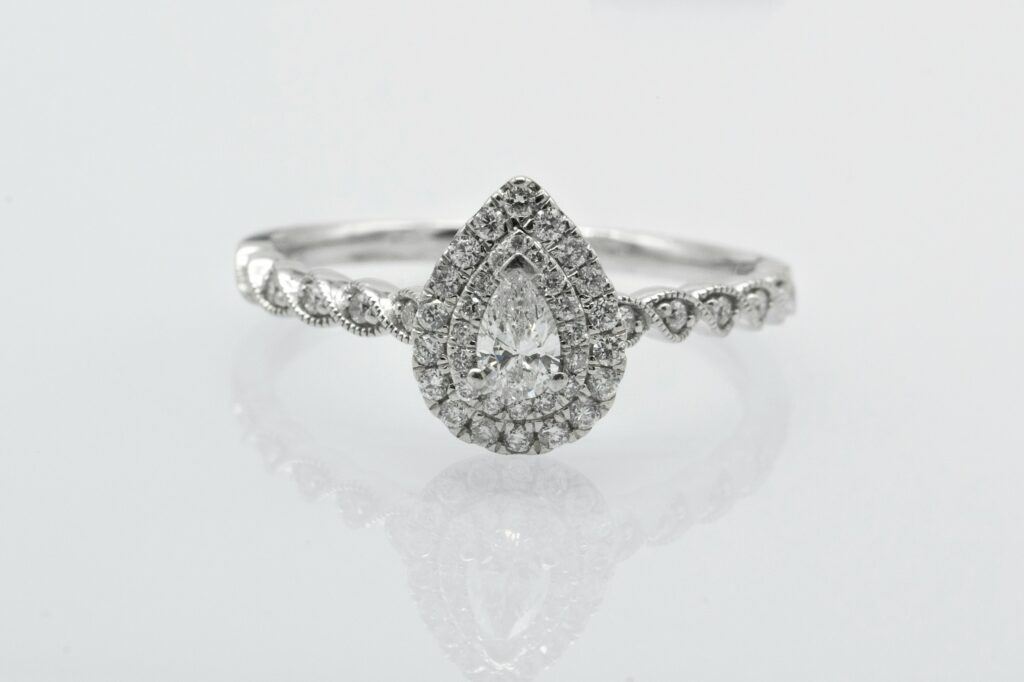
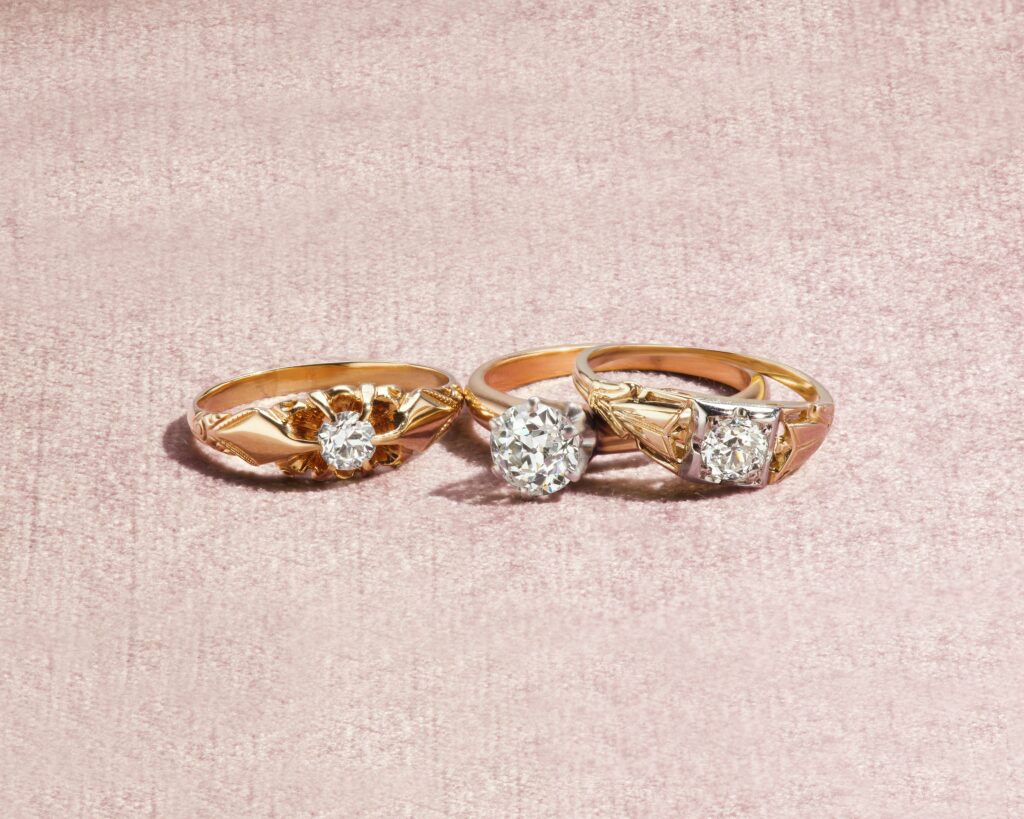
There are many customization possibilities to design a pavé engagement ring, including picking between platinum or gold (white, yellow, or rose), choosing the shape and size of the gem, and adjusting the width of the ring’s band.
Each of the stunning pavé diamond rings in our collection is expertly crafted to catch and reflect light. Discover your perfect pavé ring at Samuel Klineberg today.
Sometimes, but the answer depends on how far the pavé diamonds extend along the band, the metal, and the size adjustment needed. Rings with stones around most or all of the circumference can be particularly difficult to alter. Have the setting assessed before planning a change; our jewellery repair and ring sizing information provides a starting point.
Stop wearing the ring so neighbouring stones are not put at further risk. Keep any recovered diamond in a small, secure container and arrange for a jeweller’s inspection. Do not try to press it back into place yourself; the tiny metal beads or prongs may also need attention.
A well-made pavé ring can be worn regularly, but its small stones and delicate settings still need care. Remove it for heavy lifting, contact sports, or abrasive work, and have any catching prongs or movement checked promptly. Everyday suitability depends on the particular ring and your routine.
Use a soft brush and a gentle cleaning method approved for your ring’s metal, diamonds, and setting. Work lightly around the tiny stones rather than scrubbing the band. Avoid ultrasonic cleaning unless a jeweller confirms it is suitable, and seek an inspection first if any stone appears loose.
Both styles use small diamonds set closely together to give the band a sparkling surface. Micro-pavé generally refers to finer setting work with especially small stones, although jewellers may use the term differently. Compare the actual stone size, spacing, and craftsmanship rather than the label alone. Our guide to engagement ring anatomy explains related setting terms.
It might. The position of the pavé diamonds, the engagement ring’s gallery, and the height of the wedding band all affect contact. Try the exact two rings together and look for rubbing along exposed stone edges. Our guide to wedding band designs can help you compare profiles before choosing.
The pavé diamonds contribute to the total carat weight, but that figure is different from the weight of the centre diamond alone. Ask for both figures where applicable, and confirm whether the displayed ring or quoted price includes a centre stone. Similar-looking designs may have different diamond totals.
Pavé is a setting technique in which many small diamonds are positioned close together and secured with tiny metal beads or prongs. The result is a diamond-covered appearance across part of the band or another ring surface, rather than one large uninterrupted stone.
Pavé adds texture and sparkle without requiring a wide, solid-looking band. It can highlight a centerpiece or bring visual interest to the shoulders of a ring. The appeal is in the fine detail, though those small settings deserve regular inspection.
Let the pavé detail stand out beside a simpler wedding band, or compare it with diamond eternity bands for a more layered look. Check the rings’ heights and contact points before stacking. To compare combinations in person, book an appointment in Toronto.