
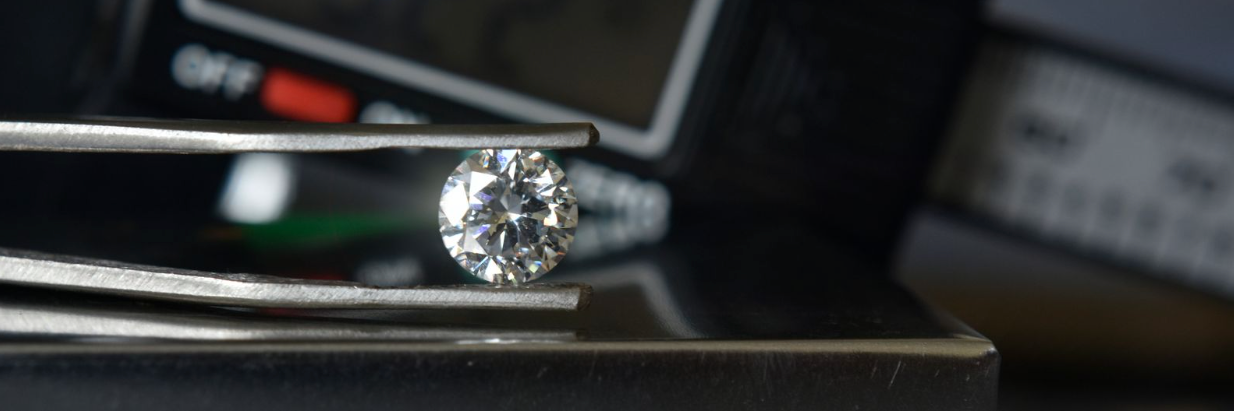
Choosing a diamond is one of the most meaningful parts of buying an engagement ring, and carat size is often the first thing people think about. But while many assume bigger always means better, the reality is more nuanced. Understanding how carats, sizes, and visual appearance work together will help you make a smarter, more confident decision.
At Samuel Kleinberg, couples are guided through every step of the process — from understanding diamond basics to selecting the perfect ring style. Whether you’re considering a solitaire, halo, pavé, or three-stone ring, knowing how carat size impacts the overall look is essential.
What Is a Carat?
Diamonds and other jewels are measured in weight units called carats.
- 1 carat = 0.2 grams
- Diamonds are often measured to the hundredth (e.g., 0.75 ct, 1.25 ct)
It’s important to understand that carat does not directly equal size. Two diamonds with the same carat weight can look different depending on how they are cut and shaped.
Carat is also one of the 4Cs of diamonds:
All four factors work together to determine a diamond’s beauty and value.
Why Carat Size Matters
Carat size plays a key role in how a diamond looks and how much it costs. Here’s why it matters:
1. Visual Appearance
Larger carat sizes typically create a stronger presence on the hand. However, the cut and proportions can influence how large the diamond actually appears.
2. Proportion and Balance
A diamond should complement the ring setting and the wearer’s hand. For example:
- A solitaire highlights the carat size directly
- A halo setting can make a centre stone appear larger
- A pavé band adds sparkle without increasing centre carat weight
3. Budget Considerations
Carat weight significantly affects price. Even a small increase (e.g., from 0.90 ct to 1.00 ct) can result in a noticeable price jump.
Common Carat Sizes Explained
Less Than 1 Carat
Examples: 0.25 ct, 0.50 ct, 0.75 ct
- Ideal for minimalist or delicate styles
- Subtle and elegant look
- More budget-friendly
- Works beautifully in pavé or halo settings
Around 1 Carat
Example: 1.00 ct
- One of the most popular choices
- Balanced size and value
- Classic engagement ring look
- Versatile across all ring types, especially solitaire and three-stone rings
This is often considered the “sweet spot” for many couples.
Above 1 Carat
Examples: 1.25 ct, 1.50 ct, 2.00 ct+
- Larger visual impact
- Increased brilliance and presence
- Ideal for those who want a bold look
- Frequently paired with halo or statement settings
Samuel Kleinberg provides access to premium diamonds in higher carat ranges for those looking to make a stronger impression.
Diamond Size vs Carat Weight
A common misconception is that higher carat always means a bigger-looking diamond. In reality, appearance depends on several factors:
Cut Quality
A well-cut diamond reflects light better, making it appear brighter and often larger.
Shape
Different shapes distribute weight differently:
- Oval and marquise shapes can appear larger
- Round diamonds are more compact but offer exceptional sparkle
- Cushion or princess cuts vary depending on proportions
Proportions
Depth and table size affect how much of the diamond is visible from the top.
Example: A well-cut 1.00 ct diamond can look larger than a poorly cut 1.10 ct diamond.
Chart of Diamond Sizes
Below is a general reference for how diamond carat sizes translate into visible dimensions (based on round diamonds):
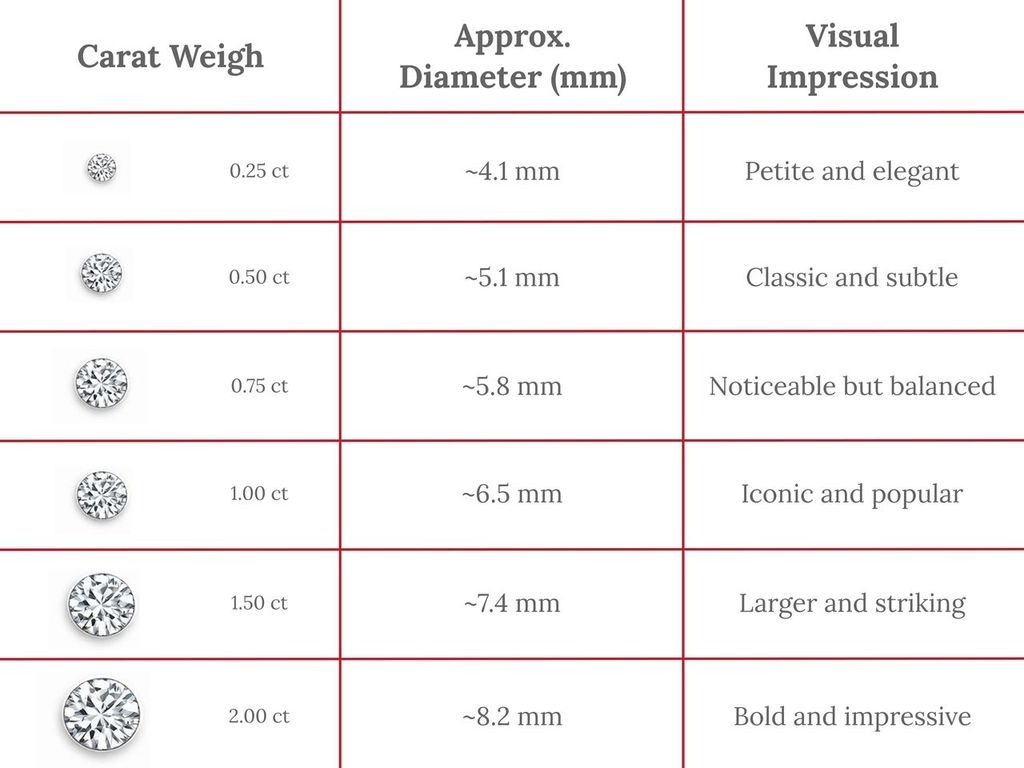
Note: Measurements vary depending on shape and cut.
Samuel Kleinberg offers in-store consultations and size comparisons, allowing you to see how different carat sizes look on your hand before making a decision.
Available Ring Types at Samuel Kleinberg
Your choice of setting can significantly impact how the diamond appears. Popular styles include:
Pavé
Small diamonds along the band add continuous sparkle and enhance the centre stone. This setting creates a refined, elegant look while making the overall ring appear more radiant without increasing the main carat size.
Halo
A circle of smaller diamonds surrounds the centre stone, making it appear larger. It’s a great choice if you want maximum visual impact, as the surrounding diamonds amplify both size and brilliance.
Solitaire
A single diamond setting that emphasizes the carat size and simplicity. This timeless design draws full attention to the centre stone, making it ideal for showcasing higher-quality diamonds.
Three-Stone Rings
Features three diamonds, symbolizing past, present, and future, while adding visual volume. This style offers a balanced and meaningful design, often making the ring look more substantial than a single-stone setting.
Each of these styles can be paired with different carat sizes to achieve the desired look.
How to Choose the Right Carat Size for You
Selecting the right carat size depends on several personal factors:
Personal Style
- Prefer subtle elegance? Consider under 1 ct
- Want a bold statement? Look at 1.50 ct and above
Finger Size and Shape
- Smaller fingers may make diamonds appear larger
- Larger fingers may suit higher carat sizes for balance
Budget
Balancing the 4Cs is key. You might:
- Choose a slightly smaller carat for better cut quality
- Opt for a halo setting to enhance perceived size
Lifestyle
- Active lifestyle → consider secure, practical settings
- Occasional wear → more flexibility in size and design
Tips for Comparing Diamond Sizes
Remember these pointers while comparing various carat sizes:
- View diamonds in person whenever possible
- Use diamond size charts as a reference, not a final decision tool
- Focus on cut quality, not just carat weight
- Compare different shapes to see which appears larger
- Try different settings like halo or pavé to enhance visual size
Understanding carat size goes beyond just numbers. While carat measures weight, the actual appearance of a diamond depends on cut, shape, and setting. By learning how these elements work together, you can choose a diamond that truly fits your style and budget.
Whether you prefer a subtle design or a bold statement piece, Samuel Kleinberg provides expert support, a wide selection of carat sizes, and beautifully crafted ring styles to help you find the perfect engagement ring.
If you’re ready to explore your options, consider viewing diamond size charts in person and working with a jeweller who can guide you through every detail.
FAQs
Does a larger carat always look better?
Not necessarily. A well-cut smaller diamond can appear brighter and more attractive than a larger, poorly cut one.
Do different diamond shapes appear larger with the same carat?
Yes. Shapes like oval or marquise often appear larger than round diamonds of the same carat weight.
Is carat the most important factor?
No. Carat is just one of the 4Cs. Cut quality often has a greater impact on appearance.
Can I customize my ring at Samuel Kleinberg?
Yes. Samuel Kleinberg offers personalized guidance to help you choose the right diamond, carat size, and setting based on your preferences.