
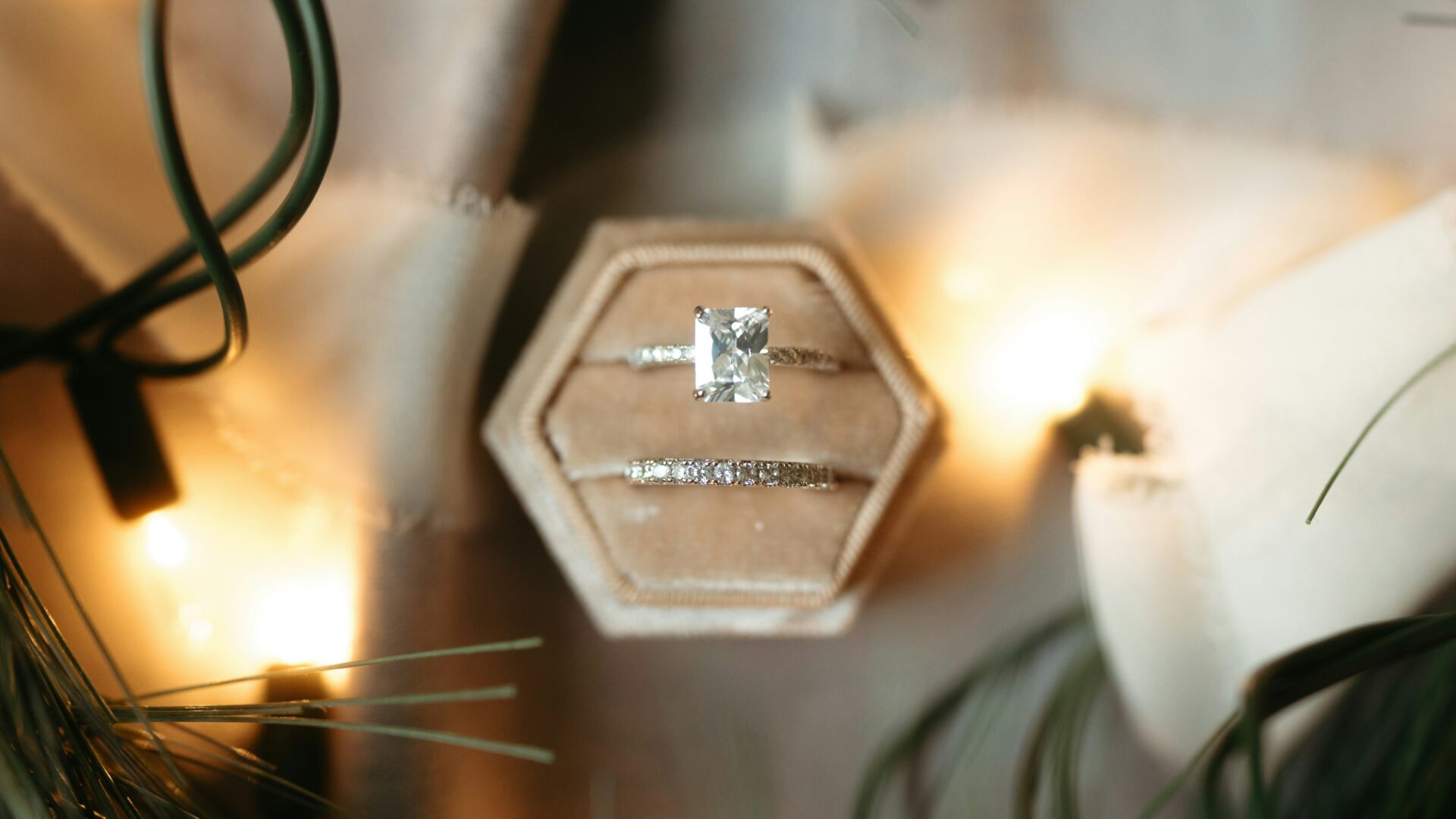
Choosing the right ring is about more than the diamond. The setting shapes the ring’s style, sparkle, comfort, and durability.
Ring settings are the metal frameworks that hold the centre stone and accent stones in place. By understanding different ring setting types and diamond setting types, you can choose a design that fits your style, lifestyle, and budget.
In this guide, we’ll explore the most popular settings and how each one affects the look, security, and brilliance of your ring, with insight inspired by Samuel Kleinberg’s expertise in fine diamonds and custom ring design.
What Are Ring Settings?
Ring settings are the metal structures that hold gemstones in place and connect the centre stone to the band. While the diamond is the main focus, the setting affects how it looks, feels, and wears over time.
A ring setting helps:
- Secure the gemstone
- Control how much light reaches the diamond
- Shape the ring’s overall style
- Affect comfort, durability, and maintenance
- Make the diamond appear more prominent
For example, a solitaire setting keeps the look clean and classic, a halo adds extra sparkle, and a bezel offers more protection by surrounding the stone with metal.
Popular Ring Setting Types
There are many ring setting types, and each one offers a different balance of beauty, sparkle, security, and practicality. The best option depends on how the ring will be worn, the type of diamond selected, and the style the wearer prefers.
Solitaire Setting
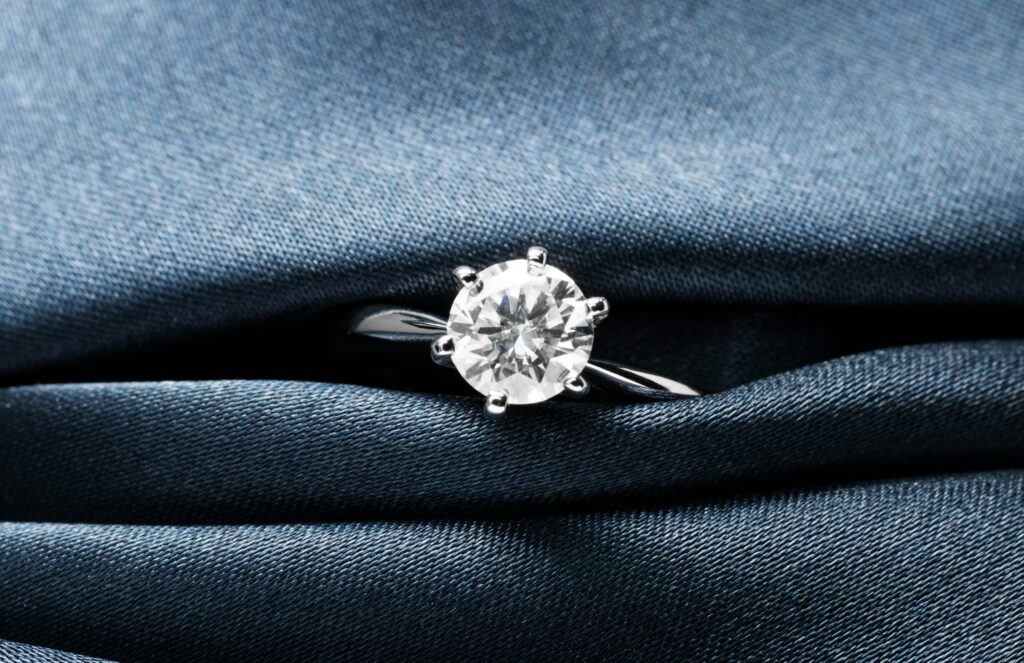
A solitaire setting features one centre diamond, usually held by prongs. It is classic, simple, and ideal for highlighting the diamond.
Best for: minimalist designs, classic engagement rings, and focusing the budget on the centre stone.
Halo Setting
A halo setting surrounds the centre diamond with smaller diamonds, adding sparkle and making the main stone appear larger. Buyers who prefer more subtle diamond detailing can consider the Round Diamond Hidden Diamond Halo Engagement Ring, which places the additional sparkle beneath the centre stone.
Best for: extra brilliance, visual impact, and romantic or glamorous designs.
Three-Stone Setting
A three-stone setting features a centre diamond with one stone on each side, often symbolizing the past, present, and future.
Best for: meaningful engagement rings, anniversary rings, and balanced sparkle.
For example, Samuel Kleinberg’s Princess Cut Fancy Yellow Diamond Engagement Ring with Trapezoid Side Diamonds creates a bold yet elegant look, pairing a vibrant yellow centre diamond with trapezoid side stones for balance, brilliance, and timeless sophistication.
Pavé Setting
A pavé setting uses tiny diamonds set closely along the band for added shimmer.
Best for: high-sparkle designs, halo rings, and detailed engagement rings.
Keep in mind: small stones may need extra care over time.
Bezel Setting
A bezel setting wraps a thin metal rim around the diamond for extra protection and a smooth look.
Best for: active lifestyles, modern designs, and diamonds with pointed edges.
Keep in mind: it may show slightly less brilliance because more of the diamond is covered.
Channel Setting
A channel setting places diamonds between two metal walls, creating a clean and secure row of sparkle.
Best for: wedding bands, side stones, and low-profile sparkle.
Keep in mind: it can be harder to clean and resize.
Tension Setting
A tension setting uses metal pressure to hold the diamond, creating a floating effect.
Best for: bold, modern, and minimalist designs.
Keep in mind: it requires expert craftsmanship and may not suit every diamond shape.
For example, Samuel Kleinberg’s Tension Set Princess Cut Ring with Channel Set Side Diamonds combines a bold princess-cut centre stone with secure channel-set side diamonds, creating a modern look with clean lines and added sparkle.
Prong Setting: Classic and Brilliant
A prong setting uses small metal claws to hold the diamond in place. It leaves more of the stone exposed, allowing more light to enter for maximum sparkle. The round diamond prong-set diamond engagement ring combines this open setting with additional diamonds along the band.
Best for: classic engagement rings, solitaire rings, and designs that highlight the centre diamond.
Keep in mind: prongs may catch on fabric and should be checked occasionally.
For example, Samuel Kleinberg’s 6 Prong Round Diamond Scalloped Diamond Hidden Halo Engagement Ringblends classic and detailed design, with a secure six-prong round diamond, hidden halo, and scalloped diamond band for subtle extra sparkle.
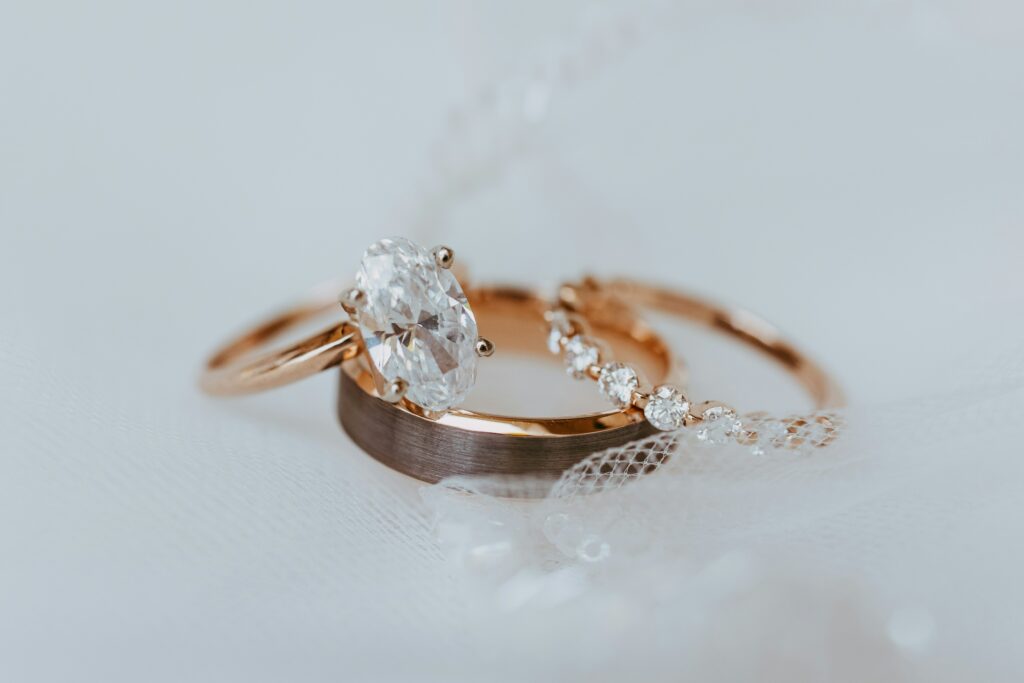
How Setting Types Affect Diamond Sparkle and Durability
The setting affects both how much a diamond sparkles and how well it is protected.
Prong and pavé settings usually allow more light to reach the diamond, creating extra brilliance. Bezel settings offer more protection by surrounding the stone with metal, while channel settings balance sparkle and security by holding smaller diamonds between metal walls. For a low-profile alternative, the gypsy diamond band places its diamonds directly into the band for a smooth, practical finish.
When comparing diamond setting types, consider:
- Sparkle: How much light reaches the diamond?
- Durability: Will the ring be worn every day?
- Maintenance: Does the setting need regular care or inspections?
Choosing the Right Ring Setting for You
- Consider your lifestyle: For everyday wear or active lifestyles, choose protective settings like bezel, channel, low-profile solitaire, or simple bands. For more sparkle, prong, halo, pavé, and three-stone settings can be beautiful options.
- Think about diamond shape: Round diamonds work with almost any setting, ovals look elegant in solitaire or halo designs, and emerald cuts pair well with clean, structured settings.
- Match the metal type: White gold and platinum feel modern and classic, yellow gold feels warm and timeless, rose gold feels romantic, and mixed metals create a more personalized look.
- Consider your budget: Solitaire settings are often more budget-friendly, while pavé, halo, and three-stone designs may cost more because of added diamonds and craftsmanship.
Understanding ring settings, ring setting types, and diamond setting types helps you choose a ring that feels beautiful, secure, and practical for everyday wear. Whether you prefer the sparkle of a prong, pavé, or halo setting, the protection of a bezel or channel setting, or the meaning of a three-stone design, the right choice should match your style, lifestyle, and budget.
Ready to find the perfect setting? Visit Samuel Kleinberg for expert guidance on diamonds, engagement rings, and custom jewellery design. Explore Samuel Kleinberg’s engagement rings in Toronto to compare solitaire, halo, pavé and three-stone settings in different designs.
FAQs
- What is the best setting to maximize diamond sparkle?
Prong and pavé settings are usually best for maximizing sparkle. Prong settings expose more of the diamond to light, while pavé settings add extra shimmer along the band.
- Which setting is most durable for everyday wear?
Bezel and channel settings are among the most durable choices. A bezel setting protects the diamond’s edge with metal, while a channel setting secures smaller stones between metal walls.
- Do different settings affect diamond value?
Yes. The setting can affect the total price of the ring. Intricate settings with accent diamonds, such as halo or pavé designs, usually require more materials and workmanship. A simpler solitaire setting may allow more of the budget to go toward the centre diamond.
- What is the difference between ring setting types and diamond setting types?
Ring setting types refer to the overall ring design, such as solitaire, halo, three-stone, or pavé. Diamond setting types refer to the way the stones are mounted, such as prong, bezel, channel, pavé, or tension.
- Which ring setting is best for an engagement ring?
The best engagement ring setting depends on the wearer’s lifestyle and style preferences. Solitaire and prong settings are classic and brilliant. Halo and pavé settings add sparkle. Bezel and channel settings offer more protection for everyday wear.
- Where can I learn more about setting choices and diamond quality?
Samuel Kleinberg’s website offers helpful diamond education, engagement ring guides, diamond shape resources, and information about custom design, appraisals, and jewellery services.