
Gold has been one of the most coveted precious metals for centuries, not only because of its beauty and rarity but also for its long-standing value. Whether you’re buying, selling, or simply curious about your gold jewellery, knowing how to test gold is essential. In this guide, we will walk you through the most reliable ways to test if your gold is real, ensuring that you can distinguish genuine gold from fakes.
As trusted experts in quality jewellery, Samuel is committed to offering high-quality gold pieces, but for those seeking to independently verify their jewellery’s authenticity, this guide provides practical steps to determine whether your gold is real.
Gold Basics: What Makes Gold Valuable
Before we dive into testing methods, it’s helpful to understand why gold is so valuable and how it’s measured:
Pure Gold vs. Alloys
Pure gold, often referred to as 24K gold, is soft and malleable. Due to its softness, it is typically mixed with other metals to create alloys. These alloys provide strength, durability, and a range of colours. Common alloys include silver, copper, and zinc.
Gold Purity: Karats (24K, 18K, 14K, etc.)
Gold purity is expressed in karats (K). The purity of 24K gold is 100%, that of 18K is 75%, and that of 14K is 58.3%. The higher the karat, the purer the gold.
Hallmarks and Stamps You Might See
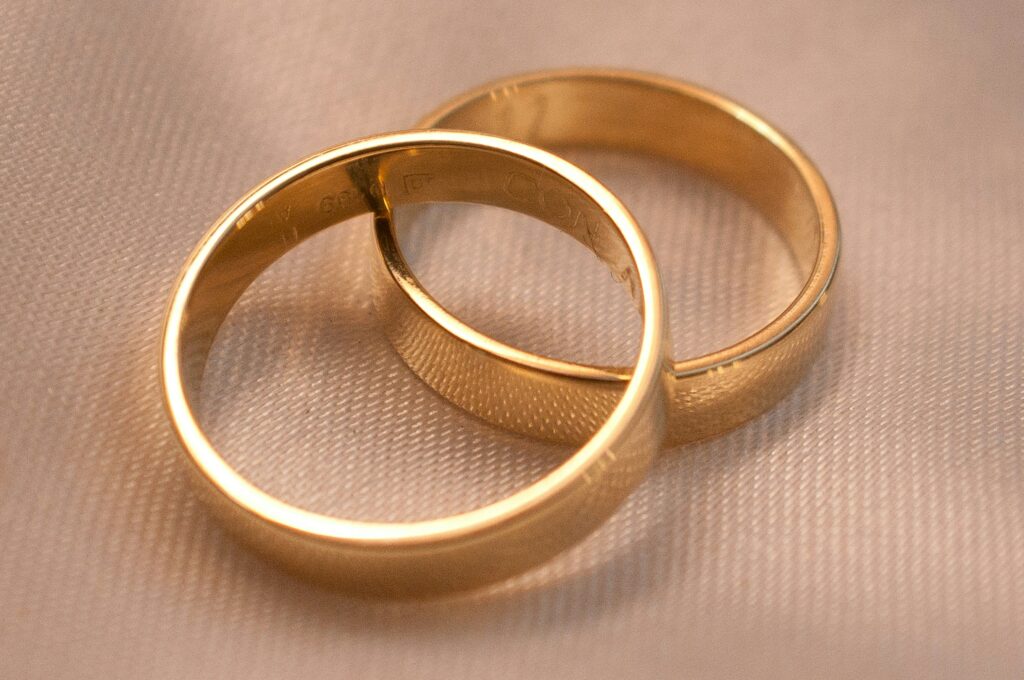
Gold jewellery often has a stamp or hallmark indicating its karat value, such as “10K,” “14K,” or “18K.” These marks are important indicators of authenticity and can usually be found on the inside of rings or on the clasps of chains.
Why Some Gold Items Are Plated and Not Solid Gold
Gold-plated jewellery has a thin layer of gold over another metal, usually brass or silver. It’s more affordable than solid gold but can wear off over time. Understanding this difference can help you distinguish between gold-plated and solid gold items.
How to Tell if Gold Is Real
Several tests can help you determine if your gold is authentic. Let’s explore the most common and effective methods:
Look for Hallmarks & Stamps
Gold jewellery is often marked with stamps indicating its karat and authenticity. Common stamps include “10K,” “14K,” “18K,” or “750” (which means 75% pure gold). These stamps are usually found on rings, bracelets, and necklaces, often near the clasp or on the inside of the jewellery.
Magnet Test
Gold is not magnetic, so a simple test with a magnet can help determine if your jewellery is real. If the magnet sticks to your jewellery, it is likely made from another metal, such as iron or steel, and not real gold.
How It Works: Hold a magnet near the jewellery. If the magnet pulls the jewellery towards it, then the piece is likely not gold.
Weight & Density Test
Gold is denser and heavier than many other metals. This test involves comparing the weight of your piece with its size. Genuine gold feels much heavier for its size compared to other metals.
How to Do It: Hold the piece of gold and feel its weight. A real gold piece will feel significantly heavier than an item of a similar size made from other metals.
Scratch Test
The scratch test involves lightly scratching a stone or ceramic plate with the jewellery piece. Genuine gold will leave a gold mark, while other metals will leave a different-coloured streak.
Warning: This test can damage your jewellery, so it’s best done cautiously or by a professional.
Skin Test
When you wear fake gold jewellery, it can sometimes cause a greenish or black discolouration on your skin. Real gold, however, does not cause this reaction. This is a sign that the jewellery is likely made of lower-quality metals.
Limitations: The skin test isn’t always accurate, as factors such as sweat or skin care products can also affect this reaction.
Step-by-Step: How to Test Gold at Home
Testing gold at home is possible with some basic tools. Here’s a step-by-step guide:
- Gather Tools: You’ll need a magnet, a glass plate, and a gold testing kit that includes acids and a testing stone.
- Inspect Stamps and Markings: Check for any hallmarks or stamps indicating the gold’s purity.
- Perform Magnet Test: Use a magnet to test for magnetic properties.
- Try the Density/Weight Feel: Compare the weight of your gold against other metals of similar size to check its density.
- Use the Scratch Test: Gently scratch the gold on a ceramic plate and observe the streak left behind.
How to Determine Whether a Gold Chain Is Genuine
Gold chains can sometimes be tricky to verify due to their intricate design. Here’s how to check if your gold chain is authentic:
- Examine Hallmarks on the Clasp or Links: Look closely at the clasp or links for any stamped markings.
- Flex and Feel Test: Gold has a unique weight and flexibility. Real gold chains feel solid but still have some give.
- Magnet Test on the Chain: Use a magnet on the chain to see if it attracts. Real gold will not react to magnets.
For high-value pieces, or if you’re unsure, always consider professional testing options such as XRF testing or professional appraisals.
Professional Ways to Test Gold
If you’re looking for the most accurate results, it’s best to visit a professional jeweller. Some advanced testing methods include:
- Jeweller’s Loupe and Inspection: A jeweller’s loupe allows for a detailed examination of the piece’s craftsmanship and hallmarks.
- Professional Acid Testing: This test uses a series of acids to assess the purity of gold.
- XRF Testing: This non-destructive method uses X-ray fluorescence to determine the gold’s purity without damaging it.
Top Common Myths About Testing Gold
Several misconceptions about gold can lead people astray:
- Myth: “Gold always bends easily.”
- Reality: Gold is malleable, but it does not bend easily unless it’s pure gold. Alloys make it stronger and more rigid.
- Myth: “Gold turns black when rubbed with certain substances.”
- Reality: This can be true for gold-plated or lower-purity gold. Real gold does not tarnish easily.
Why Accurate Gold Testing Matters
Properly testing gold is crucial for several reasons:
- Avoiding Scams and Fake Items: Testing ensures you don’t fall victim to fraudulent sales of fake gold.
- Protecting Value When Buying/Selling: Knowing your gold’s true value protects your investment and ensures fair pricing.
- Understanding Investment Quality: Accurate testing helps investors understand the quality of gold they are buying.
- Ensuring Authenticity Before Gifting: Before gifting gold jewellery, make sure it’s genuine to avoid disappointment.
Tips for Buying Gold Jewellery with Confidence
When purchasing gold, keep the following tips in mind to ensure you are getting a genuine product:
- Buy from Reputable Sellers: Always purchase from trusted jewellers with a history of selling authentic gold.
- Ask for Certification or Proof of Authenticity: Reputable sellers should be able to provide proof of gold purity and authenticity.
- Know Return Policies and Testing Guarantees: Before buying, make sure the seller offers returns or guarantees in case the gold isn’t as advertised.
For high-quality and authentic pieces, trust reputable retailers like Samuel.
Knowing how to test gold is an essential skill, whether you’re purchasing gold jewellery, considering selling an old piece, or receiving a gold gift. Simple tests like checking hallmarks, performing the magnet test, and using the density feel can all help you identify real gold. For valuable pieces, always consider professional testing to ensure authenticity. When in doubt, seek expert verification from trusted retailers like Samuel.
FAQs
1. How accurate is the magnet test for gold?
The magnet test is a basic and useful method for detecting fake gold. However, it’s not 100% reliable. Gold itself is not magnetic, but some non-gold metals, such as nickel or iron, might not be magnetic either. Additionally, some gold alloys may exhibit weak magnetic properties, so a more comprehensive test is recommended for accuracy.
2. Can gold plating pass basic tests?
Gold-plated items can sometimes pass basic tests like the magnet test or the scratch test. However, gold plating is a thin layer of gold over another metal, and it will not hold up under more advanced testing methods like the acid test or density test. If your jewellery is gold-plated, it will likely fail these tests.
3. What does a gold hallmark like “750” mean?
A “750” hallmark indicates that the gold is 75% pure, which corresponds to 18K gold. This means that for every 100 parts of the item, 75 parts are gold, and the remaining 25 parts are made up of other metals to enhance durability.
4. Can a skin discolouration test confirm if gold is real?
While touching gold jewellery may cause skin discolouration (such as a greenish stain) if the gold is not real, this test is not always reliable. The discolouration could also be caused by other factors, such as sweat, cosmetics, or the reaction between gold alloys and your skin. Therefore, it’s a less reliable method for determining gold authenticity.
5. Is the weight and density test a good way to check gold?
Yes, the weight and density test can be a very effective way to check if gold is real. Gold is denser and heavier compared to many other metals, so real gold will feel heavier for its size than other materials. However, this test may not be conclusive by itself, especially if the item contains a significant amount of alloy.
6. Can gold-plated jewellery be tested like solid gold?
Gold-plated jewellery may pass some basic tests, but will fail when subjected to advanced testing methods like the acid test or density tests. Since it only has a thin layer of gold, it’s important to use more thorough methods to verify the authenticity of the item.
7. How do I know if my gold jewellery is real if it doesn’t have a hallmark?
If your gold jewellery doesn’t have a hallmark, you can perform a magnet test, a weight and density test, or consult a professional jeweller. If in doubt, it’s best to get your jewellery appraised by a certified expert who can use more advanced methods such as acid testing or XRF testing for precise results.
8. Can I test gold myself at home, or should I go to a professional?
While there are several tests you can perform at home, like the magnet test or density test, these methods are not foolproof. If you have valuable pieces or if you want a more accurate result, it’s best to consult a professional jeweller who can perform more sophisticated tests, such as acid or XRF testing.