
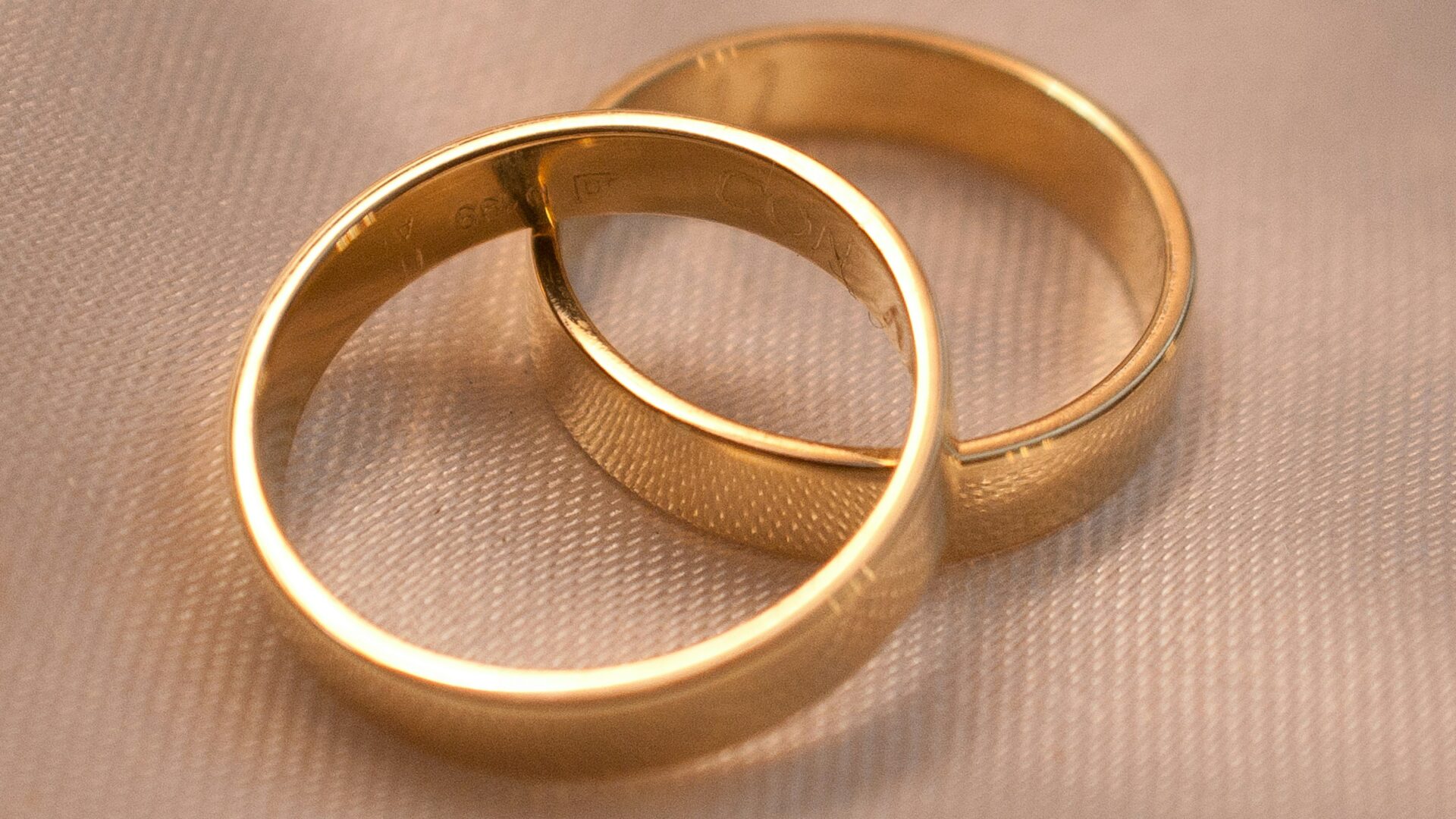
How to choose wedding rings? More than just jewellery, wedding rings are a forever symbol of love, unbreakable unity, and a promise of forever. You’ll wear it every day. Finding that sweet spot, style, comfort, and lasting durability is non-negotiable. Dreaming of timeless elegance? Or something totally you? We’ll walk through everything, ensuring your wedding ring screams “us,” a genuine emblem of your journey together.
Wedding Ring Basics: What You Need to Know
Hold up before diving headfirst into sparkly things. Let’s cover the basics. What is a wedding ring, really? And why all the fuss about it across cultures and years?
The Meaning Behind the Wedding Ring
A wedding ring’s circle? It’s classic. Eternity, endless love, no beginning, no end. You can thank the Ancient Egyptians, probably, for exchanging rings as a symbol of forever. Romans rocked the “ring finger” thing on the left hand. That’s where the vena amoris vein lives, right to the heart, apparently. Who knew romance was anatomical?
Across cultures, wedding rings are a serious symbol. Sometimes it’s about promising before whoever you believe in. Other times, it’s a family contract. Through time, rings went from basic iron bands to fancy designs using precious metals and stones. They show taste, culture, and all the feels.
Different Types of Wedding Rings
No “right” wedding ring exists. The best one? It feels like you, your style, and your relationship. Let’s break down the main ring types, shall we?
- Solitaire: A single diamond or gemstone owns the spotlight. It’s the same style Meghan Markle chose for her engagement ring, a clean and elegant look that never ages. Perfect for couples who love everything classic.
- Eternity Ring: Endless sparkle, endless love, kind of like Blake Lively’s infinity-inspired design. It’s a statement of forever, literally.
- Band Style: Think Ryan Reynolds or Joe Jonas, both wearing simple bands that still make a strong statement. Ideal for active lifestyles or anyone who prefers understated elegance.
- Custom Wedding Rings: With engravings, mixed metals, hidden stones, or even fingerprints, every detail can be uniquely yours.
Step-by-Step Guide: How to Choose a Wedding Ring
Here are the steps to find the perfect wedding ring.
Step 1: Set Your Budget
Before you get lost in the sparkle, let’s do budget talk. What feels good? What’s doable? Decide before you get ring-crazy.
In Canada, the average couple spends between $1,500 and $6,000 per ring, depending on style and materials. A simple gold or tungsten band might cost around $500 to $1,500, while a diamond or custom-designed ring can easily reach $10,000 or more.
Metal type affects price. Platinum costs more than gold or palladium. Stone size, cut, and clarity make a big difference, too. And if you’re going for something handmade or ethically sourced, expect to pay a little extra.
Pro Tip: Set a budget that feels good and realistic. Sentimental value? Priceless. Remember that.
Step 2: Choose the Right Metal
Metal matters. It defines how your ring looks, feels, and lasts.
Popular Metals:
- Platinum: Super durable, hypoallergenic. Perfect for everyday wear.
- White Gold: Sleek, modern. Might need rhodium touch-ups later.
- Yellow Gold: Classic, warm. 14k or 18k for a nice balance.
- Rose Gold: Romantic blush vibe. Trendy.
- Titanium/Tungsten: Light, cheapish, and strong. Active lifestyles are a big win.
Step 3: Select a Ring Style
Your ring? It’s you, just in shiny form. Think about your style and how you live day-to-day.
Popular Styles:
- Classic Bands: Smooth, polished, and always in style. These are perfect if you like something simple and elegant that goes with everything.
- Vintage-Inspired Rings: Intricate details and old-school charm. Think floral engravings or milgrain edges that give the ring that romantic, heirloom vibe.
- Halo or Pavé Settings: All about the sparkle. Smaller stones surround the main gem, adding serious shine without necessarily increasing size.
- Contemporary Rings: Clean lines, minimalist shapes, and modern elegance. Great for people who love sleek, understated design.
- Customization: Make it personal. Add initials, fingerprints, or birthstones to create something truly yours. Unique, meaningful, and easy to love.
Step 4: Decide on Gemstones or Diamonds
Diamonds rock, but colorful gemstones are having a moment.
The 4 Cs to Know
When choosing a diamond, these four details matter most:
- Cut: The sparkle factor. A well-cut diamond shines from every angle.
- Colour: The less colour, the rarer and more expensive. Grades D to F are considered colourless and high-quality.
- Clarity: How free it is from tiny spots or inclusions. The clearer, the better.
- Carat: The size and weight of the stone. Bigger isn’t always better.
Popular Diamond Shapes
- Round: Classic and timeless, known for maximum sparkle.
- Oval: Elegant and flattering, it gives the illusion of longer fingers.
- Cushion: Soft and romantic with vintage appeal.
- Princess: Square and modern with sharp brilliance.
- Emerald: Sleek and sophisticated with step-cut clarity.
- Pear: Unique and graceful, it combines round and marquise shapes.
- Marquise: Bold and eye-catching, perfect for a dramatic look.
- Asscher: Retro-inspired with clean symmetry and depth.
Other Gemstones
Not into diamonds? No problem. Many couples are turning to coloured gemstones for a more personal touch.
- Sapphires represent loyalty. Princess Diana’s famous blue sapphire ring says it all.
- Emeralds symbolize love and renewal; Jennifer Lopez’s engagement ring featured one.
- Rubies scream passion, just like Jessica Simpson’s bold ruby ring.
Step 5: Choose the Right Setting
The setting is what holds your stone and sets the tone for your whole ring.
- Prong Setting: Shows off your stone beautifully but needs a little extra care.
- Bezel Setting: Surrounds and protects the gem while giving a modern, clean look.
- Tension Setting: The stone looks like it’s floating. Minimalist and stunning.
Step 6: Ring Size and Comfort Fit
A beautiful ring means nothing if it’s uncomfortable. Comfort is non-negotiable.
- Finding Your Size: The best way is to visit a jeweller in person. Measure your finger when it’s warm, since fingers can swell during the day.
- Comfort Fit Rings: These have a slightly rounded interior, making them easier to slide on and off. Simple upgrade, big difference.
Step 7: Matching Your Wedding and Engagement Rings
If you already have an engagement ring, it’s smart to think ahead about how your wedding band will complement it.
How to Match Styles:
- Your wedding ring should enhance your engagement ring, not compete with it.
- Match metals for a coordinated look (platinum with platinum, rose gold with rose gold).
- Complement styles so they sit beautifully together on your finger.
- Stack rings if you love a layered, modern look.
Wedding Band vs. Engagement Ring:
Traditionally, you wear the engagement ring first and add the wedding band during the ceremony. Some people stack them, while others switch them up daily. Matching sets are elegant, but mixing metals can make a bold style statement.
Step 8: Ethical Choices
If you’re a conscious couple, look for ethically sourced or lab-grown diamonds. In Canada, many jewellers now offer conflict-free and certified options, ensuring your ring shines bright inside and out.
Frequently Asked Questions
What is the average cost of a wedding ring in Canada?
Most couples spend between $1,500 and $6,000, depending on materials and design.
How do I know my ring size?
Visit a local jeweller and have it measured. Keep in mind your fingers expand slightly in warm weather.
Should I choose a diamond or another gemstone?
Diamonds are classic, but coloured stones like sapphires, emeralds, or rubies are becoming increasingly popular.
How do I choose a wedding ring that complements my engagement ring?
Stick with similar metals and balance the styles so they look cohesive together.
What is the best metal for a wedding ring?
Gold remains traditional, but titanium and platinum are modern favourites for their durability and comfort.